The Unique Regis Regal Dog
Learn what makes a Regis Regal German Shepherd exceptional their job.
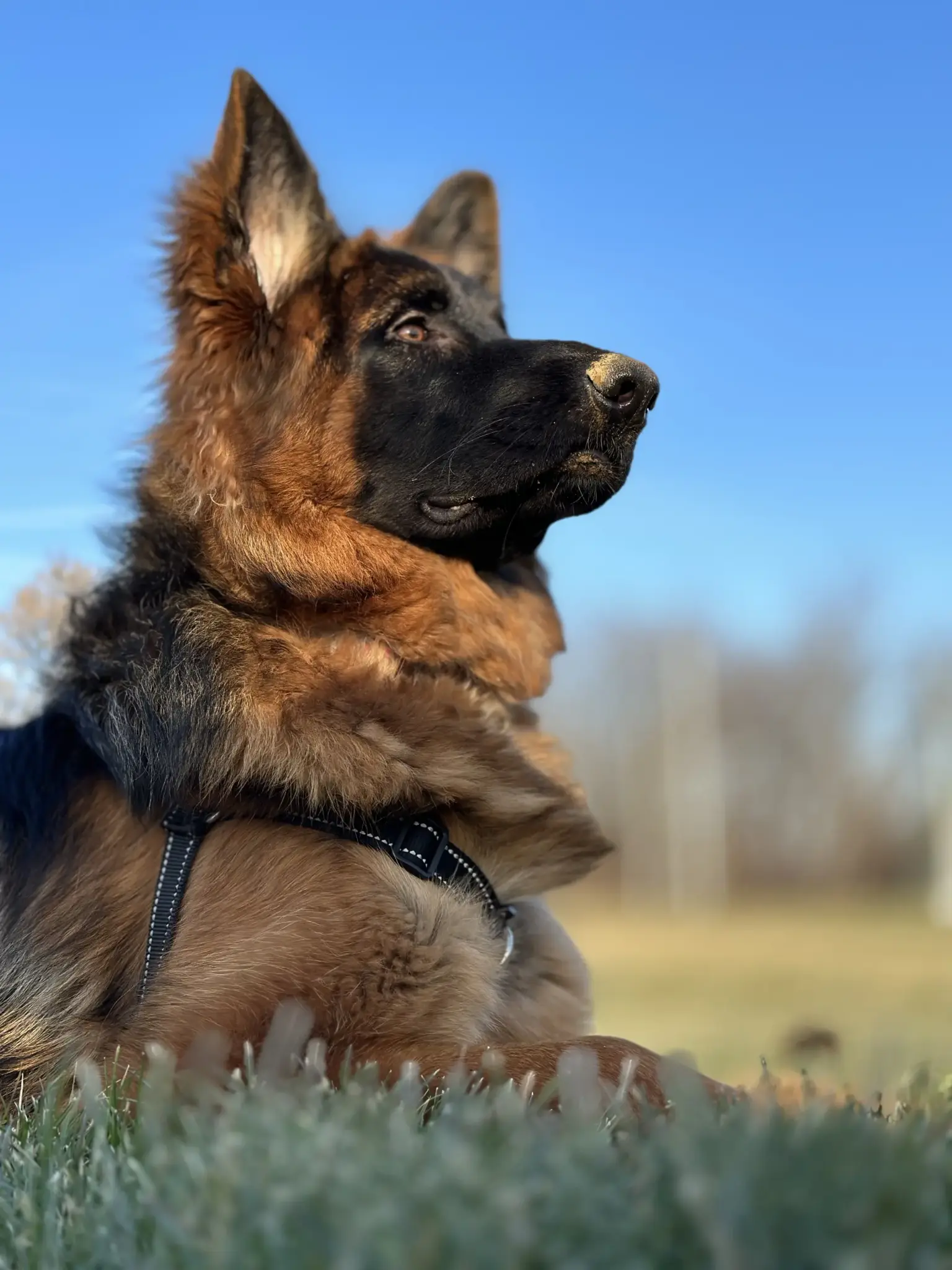
Not all German Shepherds are the same. While many people think of the German Shepherd as one breed with one general temperament, the truth is that bloodline matters tremendously. A dog’s genetics influence its health, temperament, drive, working ability, and whether it is suited for family life, service work, protection, police work, or high-level military-style jobs.
At Regis Regal, we work exclusively with West German bloodlines because they offer the balance we believe is essential: intelligence, strength, stability, trainability, sound health, and the ability to work when needed while still settling calmly in the home. This balance is what allows our dogs to serve families, children, and individuals with complex needs.
In this video, Cynthia Kelly explains the major German Shepherd bloodlines, why they are not interchangeable, and why careful breeding is so important when choosing a German Shepherd — especially when that dog is being trusted as a service dog, family companion, or medical support animal.
What Makes A Regis Regal Dog So Unique?
The Four German Shepherd Bloodlines
There are four primary German Shepherd bloodlines: American, East German, Czechoslovakian, and West German. Each line has developed differently over time, and each carries different strengths, weaknesses, and purposes.
This matters because German Shepherds are powerful, intelligent dogs. Their temperament and health cannot be added later through training. A dog can be trained in commands, obedience, and tasks, but its underlying nerves, stability, drive level, and physical soundness come from breeding.
For families choosing a German Shepherd, especially for service work or life with children, understanding the difference between these bloodlines is not a small detail. It is one of the most important parts of choosing the right dog.

Understanding German Shepherd Bloodlines
Why Regis Regal Uses West German Bloodlines
Regis Regal works with West German bloodlines because they offer the balance required for family life and service work. These dogs are intelligent, capable, and willing to work, but they are not constantly driven to be “on” every moment of the day.
Cynthia describes the difference this way: East German and Czech dogs often work to live, while West German dogs work when asked or when the situation requires it. The rest of the time, they are able to settle into the home as calm, affectionate companions.
That off switch is essential for service work. A service dog must be able to perform important tasks, respond to the needs of its person, and remain calm in daily life. It must be strong and capable, but also steady, emotionally balanced, and safe.
For Regis Regal, this is why the West German bloodline has been the foundation of their program for more than 30 years.
East German and Czech Working Lines
East German and Czechoslovakian working lines were developed for demanding jobs, including military and police-style work. These dogs are known for tremendous drive, intensity, toughness, and stamina.
That kind of drive can be impressive, but it is not always compatible with the average family home. These dogs often need constant work, structure, stimulation, and management. Without the right outlet, they can become frustrated, destructive, or difficult to live with.
Cynthia describes these dogs as dogs that “work to live.” They do not simply enjoy having a job; they require one. For most families, especially families looking for a companion or service dog with an off switch, this level of intensity can be too much.
The greatest concern comes when high-drive dogs are bred without proper knowledge, health testing, or temperament selection. When a powerful working-line dog also has weak nerves, fearfulness, or poor temperament, the result can be dangerous and very difficult to correct.
American Line German Shepherds
American line German Shepherds have often been bred with a strong focus on appearance and show-ring structure. Over time, Cynthia explains that this has created concerns with exaggerated angulation and an increased risk of health issues in some lines.
While not every American line dog is the same, families should be cautious and educated when considering this bloodline. Health, structure, temperament, and long-term soundness should always be carefully evaluated.
Why Breeding Method Matters
Inbreeding is breeding too closely, such as mother to son or father to daughter, and can create serious genetic problems.
Outline breeding means there is no meaningful family relationship between the sire and dam. Cynthia explains that this is common among many breeders, but it can make the outcome of a litter far less predictable. When the genetics behind the parents are not connected or deeply understood, it becomes much harder to know what health, temperament, structure, or behavior traits may appear in the puppies.
Line breeding, by definition means, that we create distance of at least 4-5 generations and try to stay within 13-16 generations. We are the only organization in the world able to place service dogs for children with autism who are as young as one years old because we know our lines inside and out, that is why, contractually, we offer lifetime guarantees on health and temperament.
Why Predictability Is Essential for Service Dogs
When a family is choosing a service dog, predictability matters. A service dog is not simply a pet. It may be trusted with a child’s safety, emotional regulation, medical alerts, public access, or daily independence.
That kind of responsibility requires more than basic obedience. It requires a dog with stable genetics, sound nerves, excellent health, and a temperament that can be trusted as the dog matures.
Regis Regal does not outsource dogs from unknown breeders. Their dogs are bred, born, raised, educated, and evaluated within their own program. This gives them a deep understanding of the dog’s physical and emotional development from the beginning.
For Cynthia, that is the only responsible way to provide service dogs for families, especially children.
A Different Placement Process
Many organizations ask families to wait years, then travel to a facility for several weeks to be matched and trained with a dog. Regis Regal takes a different approach.
Once the dog has been matched and educated, Cynthia brings the dog to the family. She works with the client in their real life — in their home, routine, school environment, restaurants, travel situations, and daily responsibilities.
The goal is not to see how the dog performs on Regis Regal’s property. The goal is to see how the dog performs for the family in their actual life.
If Cynthia sees gaps in communication, alert recognition, or task performance, she addresses them directly. Her support does not end when the dog is delivered. Ongoing guidance is part of the relationship because no one knows these dogs better than the people who bred, raised, and educated them.
The Origin of Regis Regal
Cynthia’s commitment to this work began with her own German Shepherd, Zena. When Cynthia became seriously ill and doctors could not find the cause, Zena began behaving in a way Cynthia had never seen before. That behavior led Cynthia to pursue surgery, where doctors discovered rare cancer that had not shown up through previous testing.
That experience changed everything.
Cynthia realized that what Zena had done for her could not remain only her own story. If that level of instinct, intelligence, and sensitivity could be preserved and responsibly bred, then the impact on other families could be extraordinary.
That belief became the foundation of Regis Regal German Shepherds.
The Heart of the Program
Regis Regal German Shepherds are bred for more than beauty or intelligence. They are bred for purpose, stability, health, and connection.
The goal is to produce dogs that can serve with confidence, live peacefully in the home, bond deeply with their people, and provide support that can change the daily life of a family.
For Cynthia, the bloodline is not just pedigree. It is the foundation of everything the dog can become.
Ready to get started?
Contact Regis Regal to begin the conversation about whether an autism service dog may be the right fit for your child and family.