Service Dogs for Epilepsy
Seizure support training built around your child, with guidance as their needs and routines change.
Start With the Support Your Child Needs
Who needs to be notified when your child has a seizure? Would activating an alert device be useful? What support is needed at home, at school, or during outings?
At Regis Regal, these practical questions guide the conversation. Cynthia Kelly works with your family to identify appropriate tasks, match a dog, and prepare it for your child’s everyday routines.
Building the Partnership Early
Cynthia’s focus is on children and establishing supportive routines early. For a younger child, the partnership starts with parents and caregivers learning the dog’s responses. As your child grows, training can help them participate more directly.
Your child does not have to manage the dog independently to begin exploring a placement. We consider their needs, the available match, and the adults supporting them. The dog’s tasks work alongside your child’s medical care, supervision, and seizure action plan.
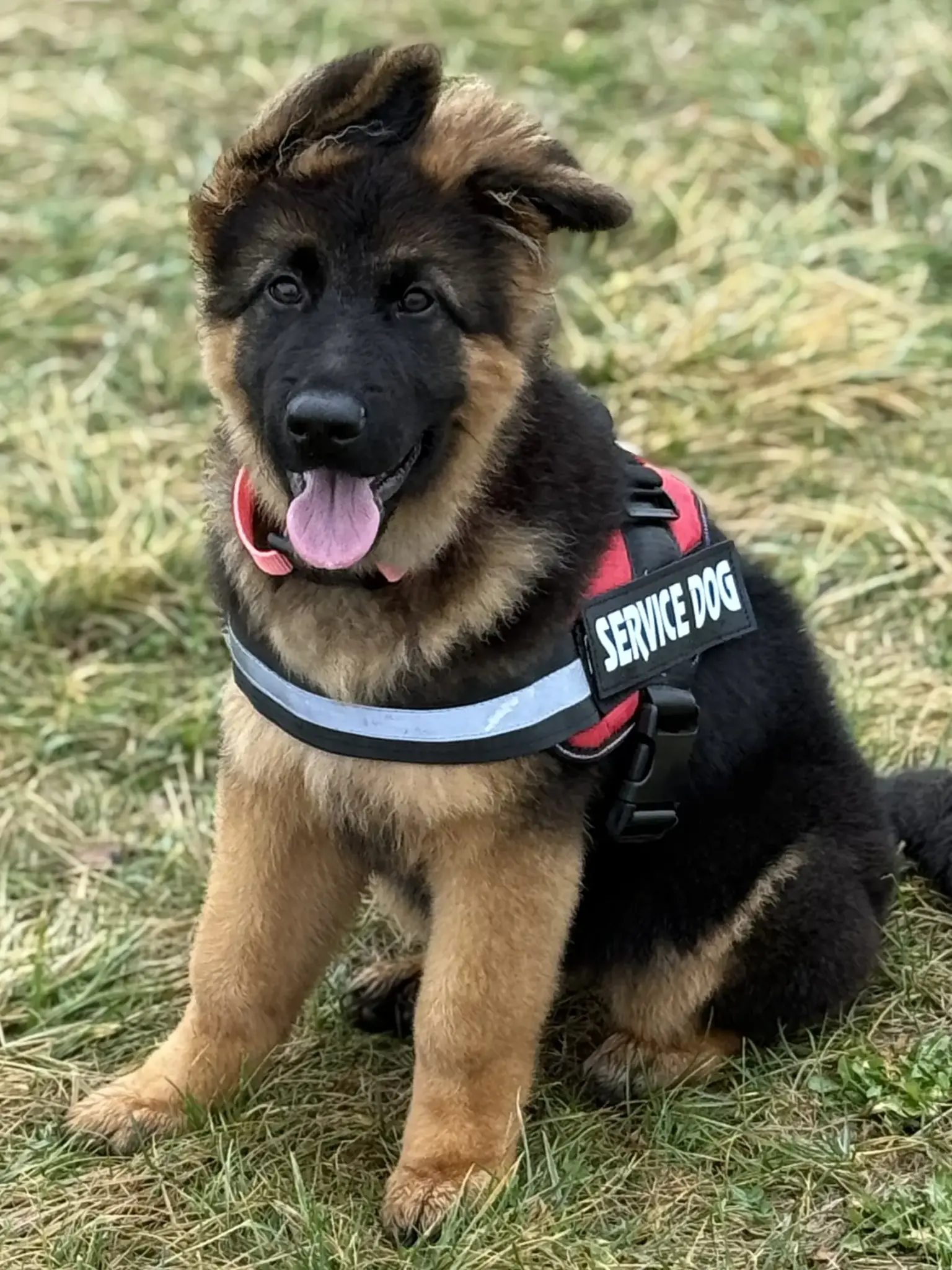

Your Child’s Dog Begins Learning Before You Meet
Once we’ve identified a match, Cynthia incorporates clothing supplied by your family into scent training. This includes working with items worn around a seizure event so the dog can practice recognizing and responding to the scent samples.
Cynthia will explain what samples she needs and how to collect and send them. You do not need to arrange this before your initial conversation.
Scent training does not guarantee advance warning of a seizure. We’ll discuss alerting separately from response tasks during or after an event, so you understand the dog’s intended role.
Hear Cynthia Explain Our Epilepsy Service Dog Program
Tasks and Communication Built Around Your Child
Learning Your Dog’s Alert
Your dog’s communication needs to be recognizable to the person responding. Cynthia describes alerts that can include circling, spinning in front of the handler, or making physical contact.
You’ll learn your dog’s specific response, how to acknowledge it, and how it fits into your seizure action plan. Advance alerts can vary and cannot be relied on to predict every seizure.
Alerting a Parent or Caregiver
When a child is too young to recognize or respond to a dog’s signal, the caregiver’s role is central. Training can include barking to draw an adult’s attention when help is needed.
We’ll discuss who should respond, where that person will be, and which tasks are appropriate for your child’s home and daily routines.
Activating an Alert Device
Depending on your needs and the equipment selected, training can include pressing a button on an alert device to notify a caregiver or request help.
Cynthia will discuss the setup, the dog’s trained task, and what the device actually does. Device features, connectivity, and any separate equipment or subscription costs need to be confirmed for your situation.
Staying Calm While Help Arrives
Part of the dog’s preparation is learning to remain calm while other people assist its handler. Cynthia includes training around allowing medical personnel to approach and provide care.
We also work on everyday public settings and handling skills. Your family’s medical response and supervision arrangements remain in place; the dog adds specific trained tasks to that plan.
Recognizing Your Service Dog’s Alerts
Training for Life, as Your Child Grows
Your service dog’s price includes all training for life, including adjustments as your child’s routines and support needs change.
That may mean learning school routines or shifting from communicating with a parent to communicating directly with your child as they become ready. We continue working with your family as that partnership develops.
Cynthia remains personally involved after placement. Travel, lodging, and meals for in-person visits are billed separately.
We Come to You and Practice Together
When your dog is ready for the transition, Cynthia travels with the dog to your location. The initial visit typically lasts three to four days and focuses on your everyday environment.
You’ll practice giving cues, recognizing your dog’s trained responses, and working through home routines and outings. School routines may also be included where arrangements allow.
If the visit reveals a need for further preparation, Cynthia can bring the dog back for focused training before returning to continue the transition. Our support continues after your dog comes home.
How the Process Works
Explore the steps from your first conversation through matching, personalized training, in-home delivery, and ongoing support.
Investment & Funding
Learn what your service dog investment includes, how placement works, and what payment and funding options are available.
Is Our Program a Good Fit?
Consider your child’s support needs, who will handle and care for the dog, and the practice involved in building a working partnership.
Tell Us About Your Child
Tell Cynthia about your child, the support already in place, and the tasks you would like help with. We’ll explain the training options and whether our program could be a good fit. Our focus is children and families; adults seeking support are also welcome to inquire.